

Struggling to hit your daily fiber goals without resorting to bland bran cereal or yet another chia pudding? You're not alone. Most Canadians fall short of the recommended 25-38 grams of fiber per day, and winter months make it even harder when fresh produce feels limited and comfort foods dominate our plates.
Here's what you might not know: some of the most flavorful, nutrient-dense fiber sources come from West African superfoods. These aren't obscure ingredients that require specialty cooking skills. They are versatile, naturally wholesome foods that fit seamlessly into busy routines.
Think quick-cooking ancient grains that beat instant rice, tangy fruit powders that elevate smoothies, and rich seasonings that transform everyday soups into something memorable.
Let's explore five fiber-rich Nigerian staples that can boost your gut health while adding real flavour to your meals.
Why fiber Matters for Your Digestive Health
Before diving into specific foods, here's why fiber deserves attention. Dietary fiber feeds the beneficial bacteria in your gut microbiome, the trillions of microorganisms that influence digestion, immunity, and even mood. When these bacteria ferment fiber, they produce short-chain fatty acids that support gut lining health and reduce inflammation.
Health Canada recommends:
-
Women: 25g fiber daily
-
Men: 38g fiber daily
Most Canadians consume only about 15g daily, leaving a significant gap. The consequence? Digestive discomfort, irregular bowel movements, and missed opportunities for better overall health. Increasing fiber intake through whole foods rather than supplements provides additional nutrients like vitamins, minerals, and antioxidants that work synergistically.
5 African Fiber-Rich Foods to Add to Your Pantry
1. Fonio Grain (Acha): The 5-Minute Ancient Grain
Imagine a grain that cooks faster than instant rice, tastes nutty and light, and works in everything from breakfast porridge to dinner sides. That's fonio.
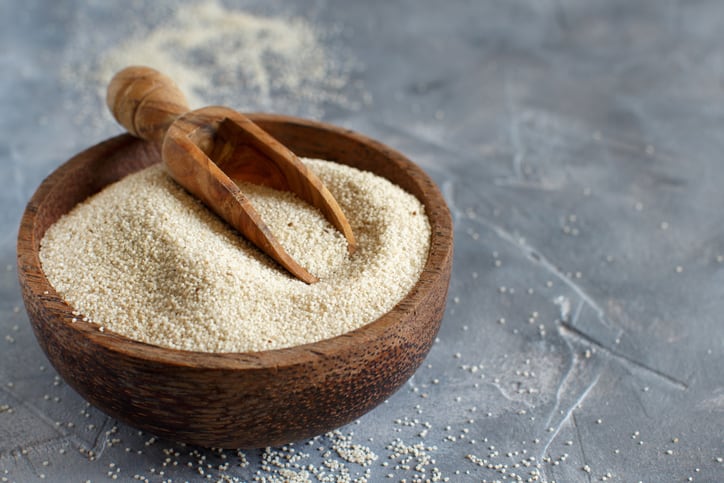
Nutritional snapshot:
-
fiber: 3g per cooked cup
-
Protein: 5g per 1/4 serving (50g) raw
-
Naturally gluten-free
-
Cooks in 5 minutes
Why it works for you: Fonio's mild, slightly nutty flavour pairs beautifully with maple syrup for breakfast bowls or acts as a neutral base for curries and stews. It's lighter than quinoa, fluffier than couscous, and far more interesting than white rice. Plus, that 5-minute cook time means you can add a whole grain to weeknight dinners without extra planning.
How to use it:
-
Breakfast: Cook with milk (or tigernut powder milk), add cinnamon and berries
-
Lunch bowls: Use as a base for roasted vegetables and grilled chicken
-
Side dish: Replace rice or couscous in any recipe
-
Baking: Try Fonio Flour in muffins or pancakes for added nutrition
Pro tip: Toast dry fonio in your pot for 2-3 minutes before adding water. This deepens the nutty flavour and adds a subtle richness that elevates even simple preparations.
2. Baobab Fruit Powder: The Tangy Superfruit
If you haven't tried baobab, think of it as nature's vitamin C powerhouse with a citrusy tang. Our Baobab Fruit Powder comes from the dried fruit of Africa's iconic baobab tree and delivers both fiber and immune support, particularly valuable during Canadian winters.

Nutritional snapshot:
-
fiber: 5g per 10g serving (50% fiber per serving)
-
Vitamin C: 100% of daily value per serving
-
Antioxidants: High polyphenol content
-
Calcium and potassium: Bonus minerals
Why it works for Canadians: The tangy, citrus-like flavour brightens smoothies, yogurt, and oatmeal without added sugar. During the winter months, people often feel more tired due to colder weather and reduced sunlight. Baobab offers a shelf-stable way to support energy levels by providing a natural source of vitamin C alongside fiber, without relying on seasonal changes in fresh fruit availability.
Baobab is naturally high in dietary fiber, including soluble fiber that helps nourish beneficial gut bacteria. A healthy gut microbiome plays an important role in overall digestive health and is closely linked to immune function.
How to use it:
-
Smoothies: Start with 1 tablespoon
-
Yogurt or oatmeal: Stir in for a citrusy kick
-
Baking: Add to muffin or energy ball recipes
-
Beverages: Mix with water and honey for a refreshing drink
Baobab pairs exceptionally well with tropical fruits (mango, pineapple) and slightly sweet flavors like banana or dates, which balance its tartness naturally.
Try the Energize & Soothe Combo to pair baobab with anti-inflammatory turmeric blend for a morning routine that supports both energy and gut health.
3. Date Powder: Natural Sweetness with fiber Benefits
Looking for a refined sugar alternative that actually tastes good and adds nutrients? Date Powder is 100% whole dates that are gently dried and ground into a fine powder; no additives, no preservatives, just pure whole fruit in powdered form.

Nutritional snapshot:
-
fiber: ~2g per tablespoon
-
Natural sugars: Lower glycemic response than refined sugar
-
Minerals: VItamin C, calcium, magnesium
-
Rich, caramel-like flavour
Why it works for Canadians: Date powder dissolves easily in hot beverages, adds moisture to baked goods, and provides natural sweetness without the blood sugar spike of white sugar. It's particularly useful for reducing refined sugar intake while maintaining the comfort foods we crave during winter; think hot chocolate, pancakes, and muffins.
How to use it:
-
Coffee and tea: Stir in thoroughly (it's denser than sugar)
-
Baking: Use as a 1:1 replacement for sugar, adjusting to taste if needed
-
Oatmeal or fonio porridge: Add natural sweetness plus fiber
-
Energy balls: Use for sweetness and flavour, alongside whole dates or other binders
Pro tip: Date powder adds moisture to baked goods, so you may need to reduce liquid slightly in recipes. Start with the original liquid amount and adjust in future batches.
Our Date Choco blends whole date powder with cocoa to create a naturally sweet, dairy-free hot chocolate that kids and adults love, with 3 g of fiber per serving. The Breakfast Combo includes Date Choco alongside date powder and other morning staples, offered together at a bundled price.
4. Tigernut Powder Mix: Creamy Plant-Based Alternative
Despite the name, tigernuts are small root vegetables (tubers, not nuts) that create a naturally sweet, creamy milk alternative. Our Tigernut Powder Mix is made from just two whole-food ingredients, tigernut flour and date powder.

Nutritional snapshot:
-
fiber: 3g per serving (when prepared as directed)
-
Resistant starch: Supports beneficial gut bacteria
-
Naturally sweet: No added sugars needed
-
Allergen-friendly: Nut-free, dairy-free, gluten-free
Why it works for Canadians: For those avoiding dairy or seeking plant-based alternatives, tigernut powder mix offers creaminess and natural sweetness that works in everything from smoothies to coffee. The high fiber content, significantly more than almond or oat milk, makes it particularly valuable for gut health.
How to use it:
-
Milk alternative: Blend powder with water per package directions
-
Smoothies: Add directly to blender with fruits and ice
-
Baking: Substitute ¼ of your all-purpose flour with tigernut powder for extra fiber and natural sweetness. Mix into rolled oats for healthier cookies.
-
Breakfast porridge: Cook oats or fonio with tigernut milk
5. Traditional West African Seasonings: Flavour That Supports Gut Health
Here's what most people miss: traditional Nigerian seasonings don't just make food taste better, they contribute to gut health through both fiber content and fermented ingredients. Our authentic blends transform simple soups, stews, and roasted vegetables into deeply flavourful meals.
Key seasonings:
-
Peppersoup Spice: Seven African spices including uziza seeds (anti-inflammatory properties)
-
Soupa Delish: Contains fermented locust beans, which support gut microbiota [7]
-
Meat & Poultry Seasoning: Low-sodium blend for everyday cooking
-
Vegetable Stock Powder: Clean ingredients for soups and sauces
Why they work for Canadians: These seasonings bridge Nigerian and Canadian cuisines seamlessly. Add peppersoup spice to butternut squash soup, use Soupa Delish in lentil stews, or season roasted root vegetables with Meat & Poultry blend. You're getting authentic Nigerian flavours that enhance the foods you already cook, rather than overpowering.
How to use them:
-
Soups and stews: Start with 1-2 tsp, adjust to taste
-
Roasted vegetables: Toss with oil and seasoning before roasting
-
Grains: Stir into cooking water for fonio, rice, or quinoa
-
Meat and fish: Rub on proteins before grilling or baking
The Everyday Seasoning Combo gives you four versatile blends to experiment with at a better value than buying individually.
Quick Recipes: From Pantry to Plate in Under 30 Minutes
Fiber-Rich Fonio Breakfast Bowl
Time: 10 minutes
fiber per serving: ~10g
Ingredients:
-
1 cup cooked Fonio Grain
-
1 cup milk of choice (try Tigernut Powder Mix)
-
1 tbsp Date Powder
-
1 tsp Baobab Fruit Powder
-
½ tsp cinnamon
-
Toppings: berries, sliced almonds, hemp seeds
Instructions:
-
Cook fonio according to package directions (5 minutes)
-
Stir in milk, date powder, baobab, and cinnamon while warm
-
Transfer to bowl and add desired toppings
-
Serve immediately
Why it works: This bowl provides sustained energy through whole grains, natural sweetness without refined sugar, and a significant fiber boost to start your day. The combination of fonio's resistant starch and baobab's prebiotic fiber feeds beneficial gut bacteria.
Nigerian-Inspired Winter Stew
Time: 35 minutes
fiber per serving: ~15g
Ingredients:
-
2 cups cooked beans or lentils
-
1 can (400ml) diced tomatoes
-
1 large onion, diced
-
3 cloves garlic, minced
-
2 tbsp Vegetable Stock Powder
-
1-2 tsp Peppersoup Spice
-
2 cups vegetable broth
-
2 cups chopped kale or spinach
-
Salt and pepper to taste
Instructions:
-
Sauté onion and garlic in large pot until softened (5 minutes)
-
Add tomatoes, stock powder, peppersoup spice, and broth
-
Bring to simmer and add beans/lentils
-
Cook 20 minutes to meld flavours
-
Stir in greens and cook until wilted (5 minutes)
-
Serve over Fonio Grain or with crusty bread
Why it works: This one-pot meal combines protein-rich legumes with gut-healthy fiber, while traditional Nigerian spices add depth without excessive sodium. It's perfect for meal prep. Flavours improve over 2-3 days in the fridge.
Making African Foods Work in Your Canadian Kitchen
The beauty of these ingredients is their versatility. You don't need to overhaul your cooking style. Simply integrate them where they make sense:
For busy weeknights:
-
Swap white rice for fonio (cooks faster anyway)
-
Add a teaspoon of baobab to your regular smoothie routine
-
Season roasted vegetables with African spice blends
For meal prep:
-
Cook a large batch of fonio on Sunday for quick lunches
-
Prepare tigernut milk and store in the fridge (3-4 days)
-
Make stew in bulk - it freezes beautifully
For baking and treats:
-
Replace refined sugar with date powder in muffins and pancakes
-
Use fonio flour for added nutrition in baked goods
-
Make energy balls with date powder and tigernut powder
Pairing with Canadian staples:
-
Fonio + maple syrup + local berries = fusion breakfast
-
Nigerian spices + winter squash = elevated seasonal dish
-
Baobab + Canadian honey + yogurt = probiotic-rich snack
These aren't replacements for your favourite foods. They're additions that boost nutrition and flavour. Many customers find that starting with one or two items (fonio and date powder are popular first tries) makes the transition easy and sustainable.
Nutritional Comparison: Nigerian Foods vs. Common Alternatives
|
Food |
Fibre (per serving) |
Protein |
Cook Time |
Gluten-Free |
|
Fonio |
3g (1 cup cooked) |
5g (per 1/4 cup/50g raw) |
5 min |
Yes |
|
White rice |
0.6g (1 cup cooked) |
4g |
15-20 min |
Yes |
|
Quinoa |
5g (1 cup cooked) |
8g |
15 min |
Yes |
|
Baobab powder |
5g (per 10g serving) |
1g |
Instant |
Yes |
|
Orange (1 medium) |
3g |
1g |
N/A |
Yes |
|
Date powder |
~2g (1 tbsp) |
0.5g |
Instant |
Yes |
|
White sugar |
0g |
0g |
Instant |
Yes |
|
Tigernut milk |
3g (per serving, prepared) |
2g |
5 min prep |
Yes |
|
Almond milk |
1g (per cup) |
1g |
Instant |
Yes |
This comparison shows how Nigerian foods stack up nutritionally often providing more fiber than their common counterparts while offering unique flavours and versatility.
Your Next Steps: Easy Ways to Start
Ready to boost your fiber intake with wholesome Nigerian ingredients? Here's how to begin:
Start simple: Browse our complete collection and choose one or two items that fit your current cooking style. If you eat oatmeal, try baobab. If you make rice dishes, try fonio.
Try a combo: Our Breakfast Combo bundles four morning essentials at a discount, perfect for testing multiple products. The Energize & Soothe Combo pairs baobab with anti-inflammatory turmeric blend for comprehensive wellness support.
Stock up and save: Consider bundling grains, powders, and seasonings together. These shelf-stable ingredients keep for months, making them perfect pantry staples.
Need inspiration? Check our recipe section for more ways to use these ingredients, or email us at info@agaswholesome.ca with questions. We're here to help you integrate these foods into your routine successfully.
Have you tried any Nigerian foods for gut health? What's worked well in your kitchen? Share your experience in the comments below, we'd love to hear what you're cooking.
These statements have not been evaluated by Health Canada. This product is not intended to diagnose, treat, cure, or prevent any disease.
ARTICLE REVIEWED BY EBUBE AKAH